Tag: ai
Posts with tag ai

Will we stop asking our colleagues because AI never looks busy?
I don’t miss waiting days for an answer. I miss the conversations that sometimes started with a simple “Got a minute?”

I Stopped Checking If You Know the Answer
A candidate repeated my question back to me, waited a beat, and recited a definition word for word. The questions did not change. What they measure did.
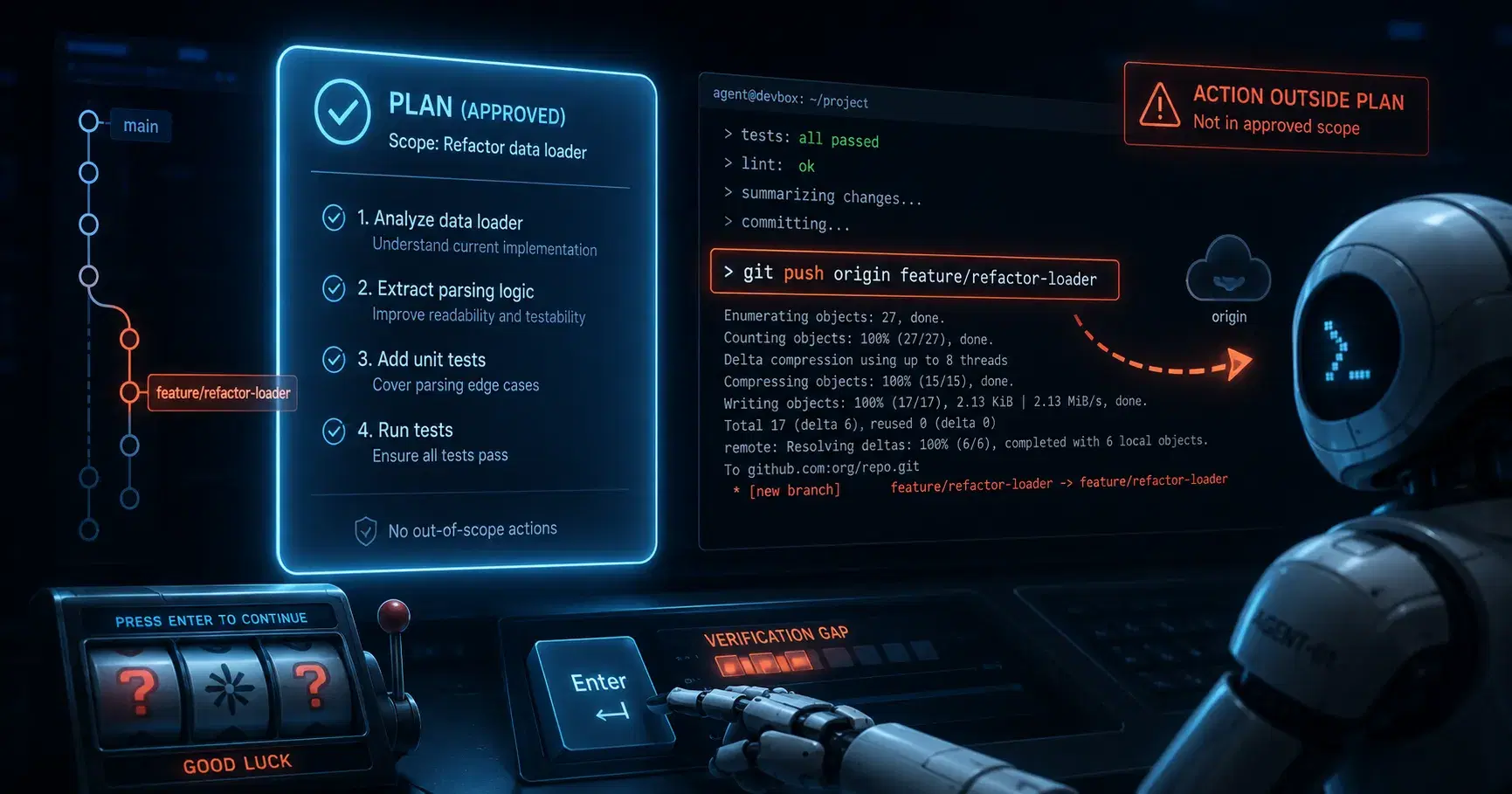
The Plan Didn't Say Push
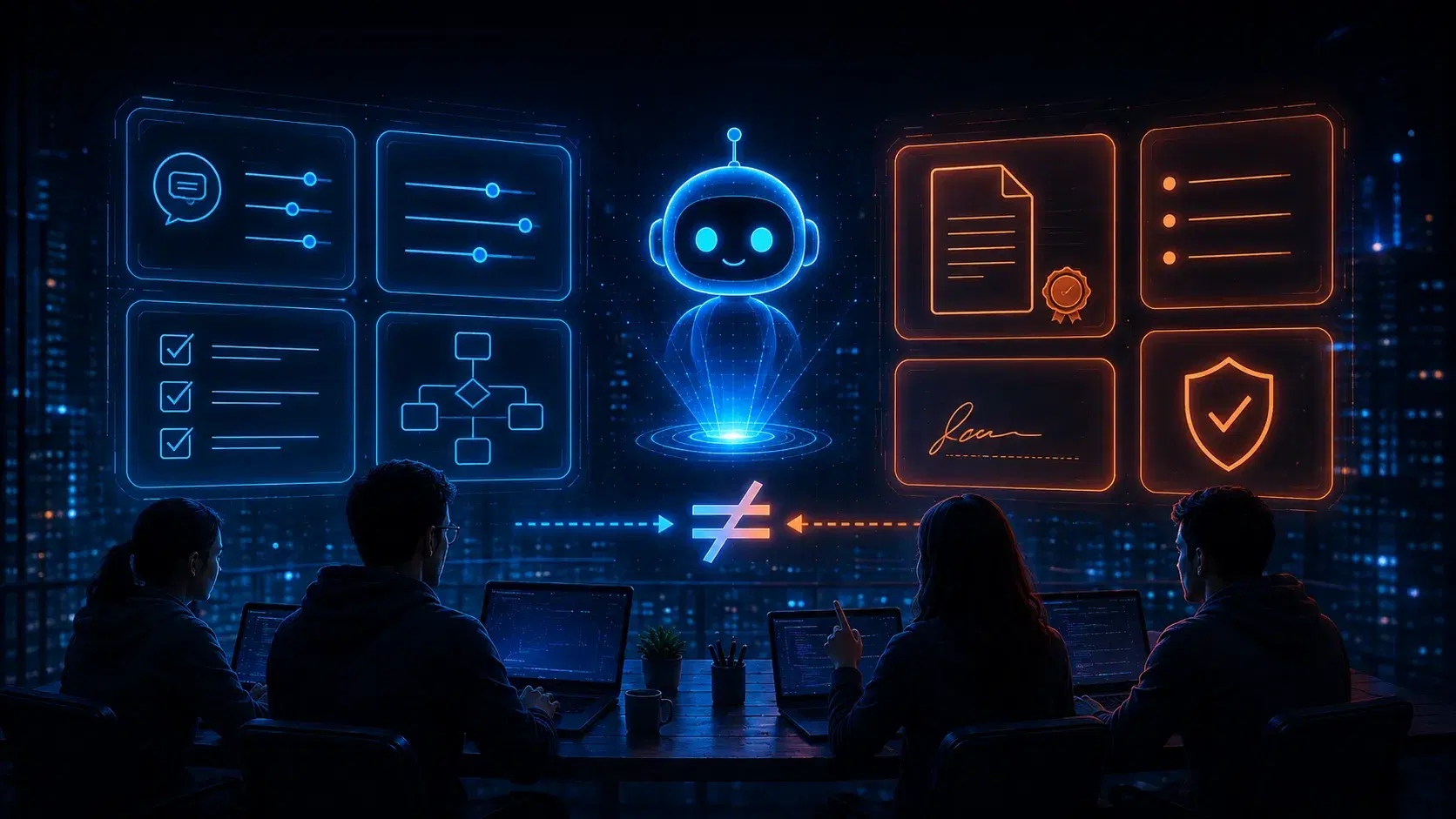
Instructions Aren't Contracts
The rules are written down. The agent reads them on every prompt. They still do not make it into the code, and nothing is broken enough for the bot to report. A rules file is not configuration. It is a suggestion with an unknown success rate.
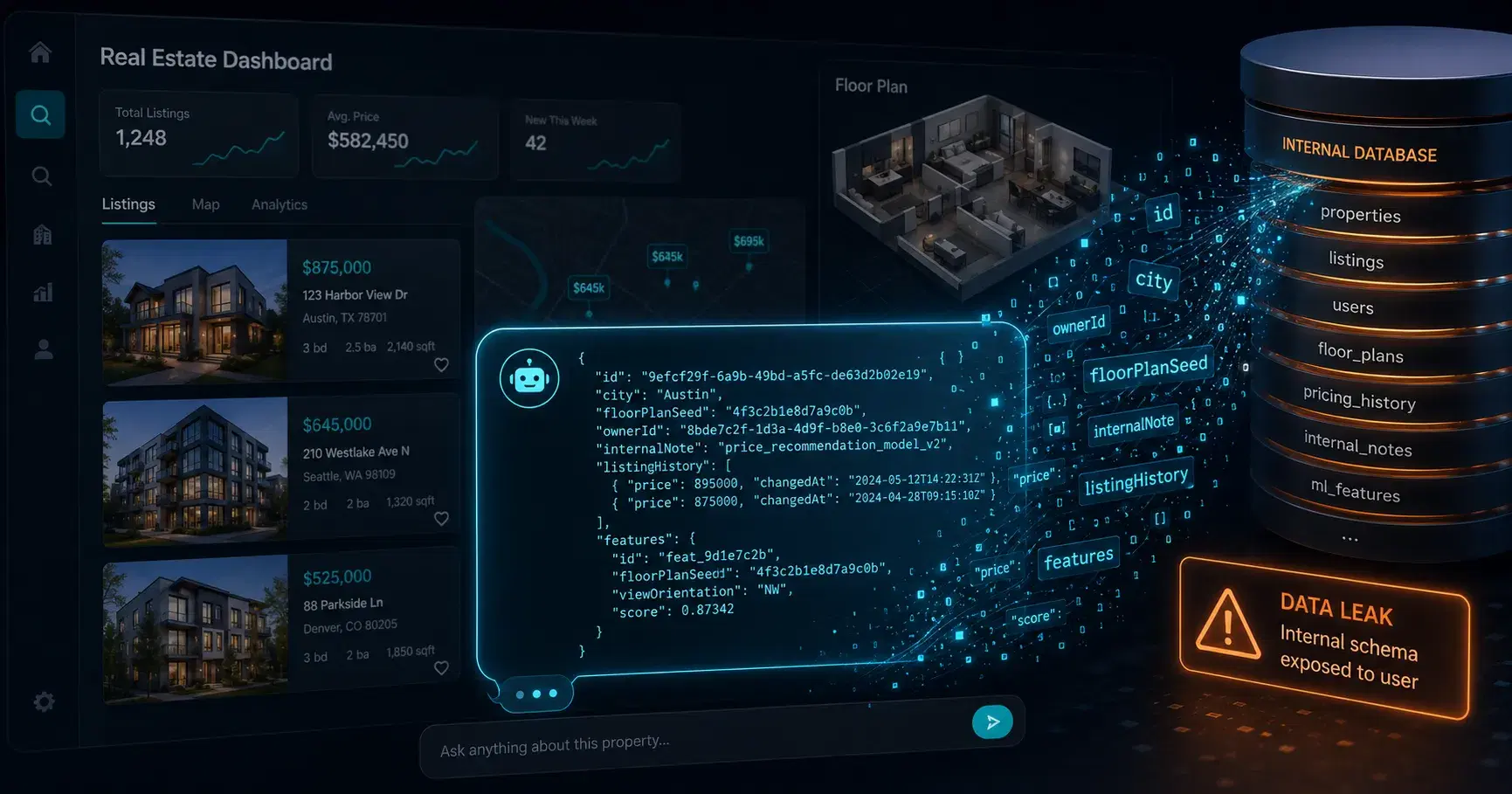

Today, I Wouldn't Hire My Younger Self
I put my younger self through a 2026 hiring process. I failed the screening. What started as a joke exercise revealed something worse: the filter that used to let the right people into this profession is gone, and nothing has replaced it.
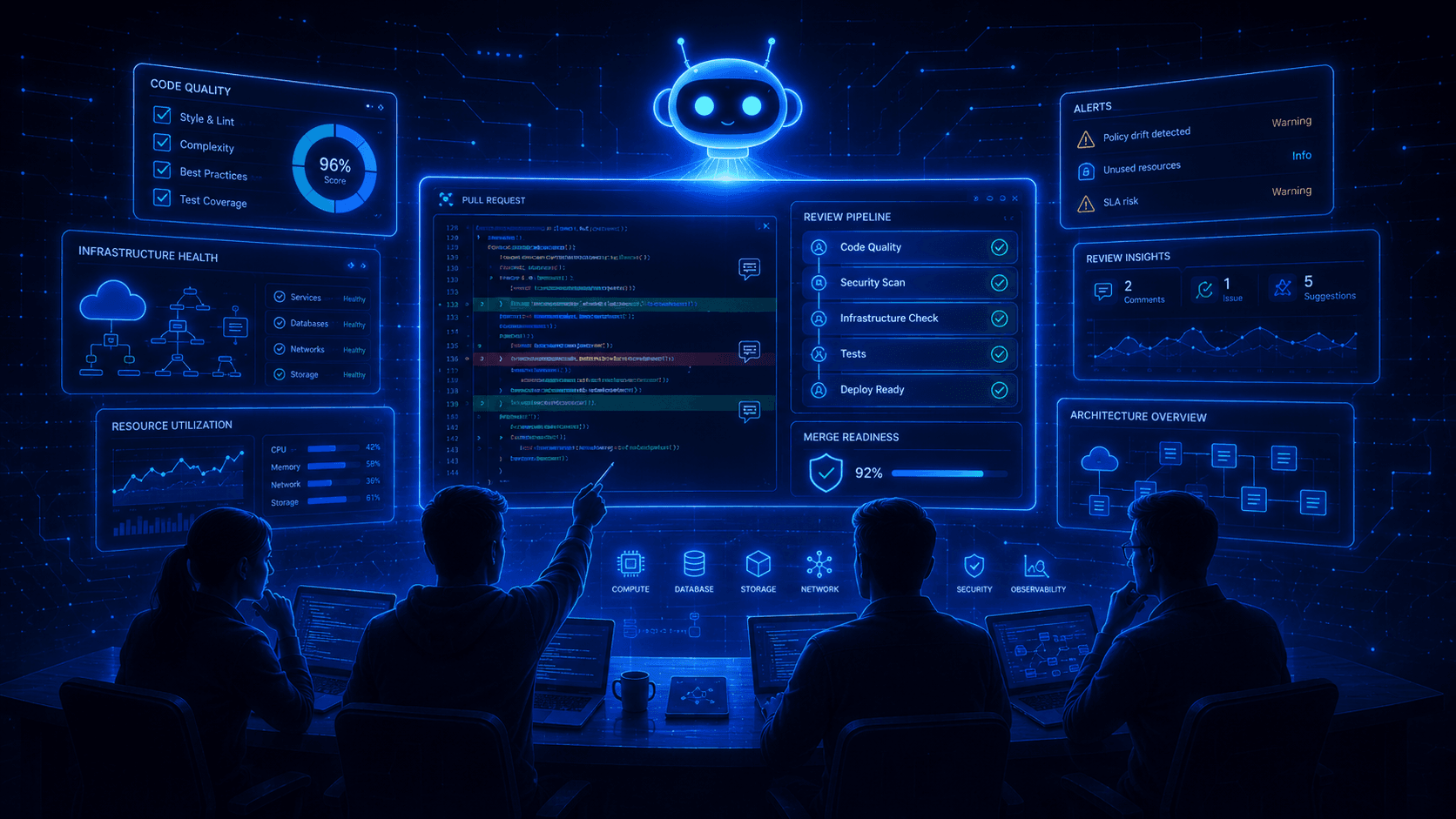
Review Is Infrastructure. Your AI Rollout Forgot to Build It.
AI adoption doubled our code output. Nobody budgeted for the reading. Telemetry from 22,000 developers shows the bill: 5x longer review, tripled incidents, and 31% more PRs merged with no review at all. This is what treating review as infrastructure actually means.

You Can't Take the Career Path I Took. It No Longer Exists.
AI code isn't dangerous at random
I almost shipped a vulnerability to production because the model handed it to me with full confidence. Then I checked the numbers — the 2026 ones, not the two-year-old ones. Models hallucinate less, but picking a model stopped helping, and the attack surface is now shared by all of them.

The Most Important AI Work Doesn't Show Up in Any Metric
Every company brags about their model's stats. Nobody tells you what you have to set up, and what you have to prompt, to actually hit those numbers. The hardest part of working with AI is the part no benchmark measures.

AI Made Me Fluent in Backend. It Didn't Make Me a Backend Engineer.
AI equalized the part of the job that was never the hard part — writing the code. The hard part was always knowing what to ask. That part it can't hand you, and worse, it hides the fact that you don't have it.
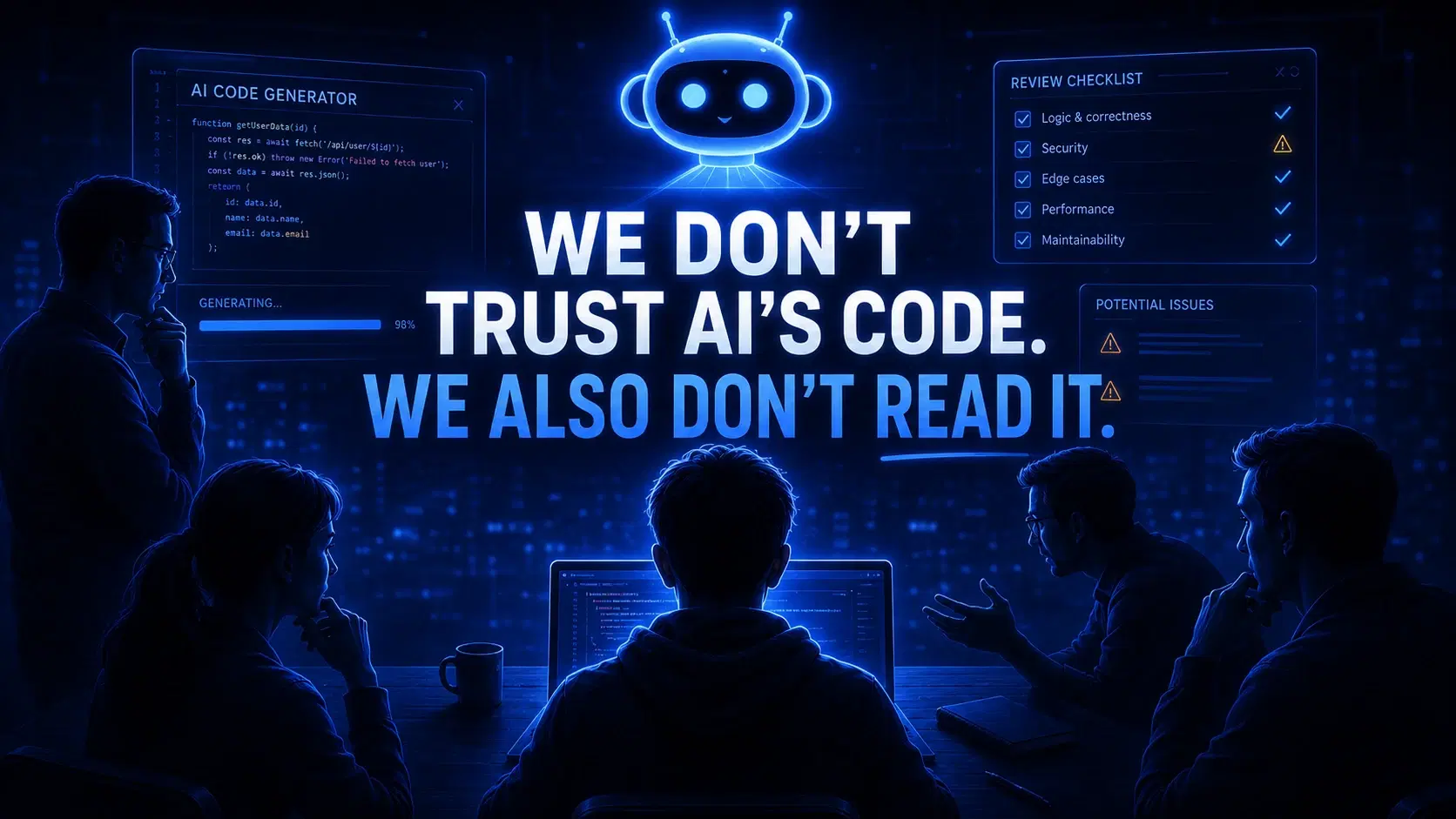
We Don't Trust AI's Code. We Also Don't Read It.
I committed code I hadn't read, felt the guilt, and almost filed it as a discipline problem. It wasn't. The gap between not trusting AI's code and not reading it is the clearest signal we have that the valuable part of the job moved downstream — from writing to reading.
Claude Fable 5 Dropped. My Pipeline Isn't Getting It (Yet)
Claude Fable 5 launched this week — record benchmarks, twice the price of Opus. My production pipeline's config hasn't changed, and that's not neglect. Benchmarks measure raw models. Pipelines run calibrated ones.
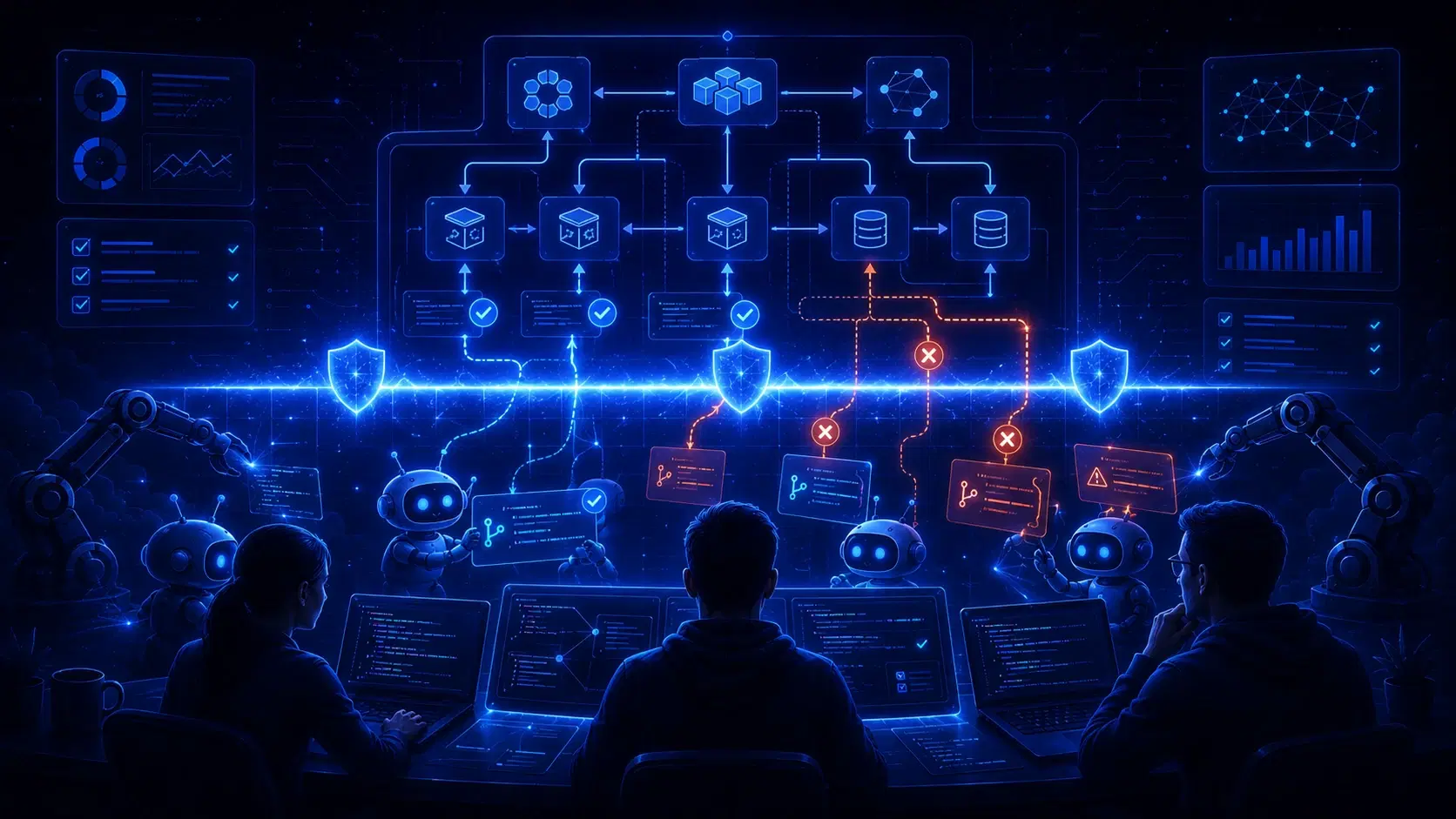
The Line Doesn't Defend Itself
I wrote about the decisions I won't hand to AI. That post quietly assumed I'm the one standing at the door. On a team of ten, I'm not — and the line that lives only in my head is the first thing AI erases.

AI Isn't Burning Us Out. The Narrative Around AI Is
Simon Willison says coding agents leave him wiped out by 11am. Engineers at every major shop are publishing essays about AI fatigue. I run a frontend team and use AI across my entire workflow — and I think we are blaming the wrong thing. It is not the model that exhausts us. It is the story we keep telling ourselves about the model.
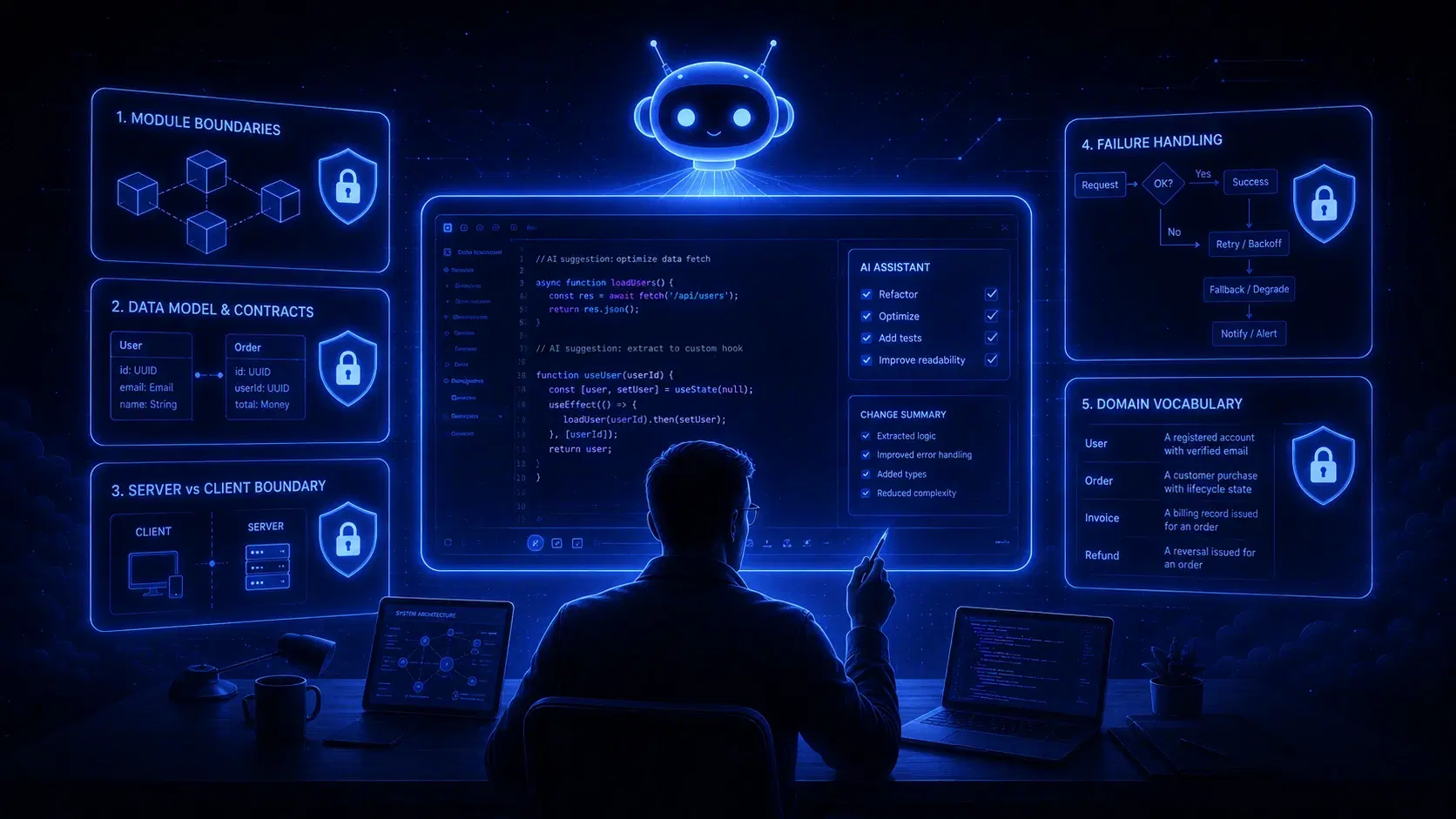
What I Won't Let AI Touch
I run a nine-agent code review system in production. I still won't hand AI five decisions — not despite knowing these tools, but because I do. The ones you can't cheaply reverse stay mine: the decisions that compound.
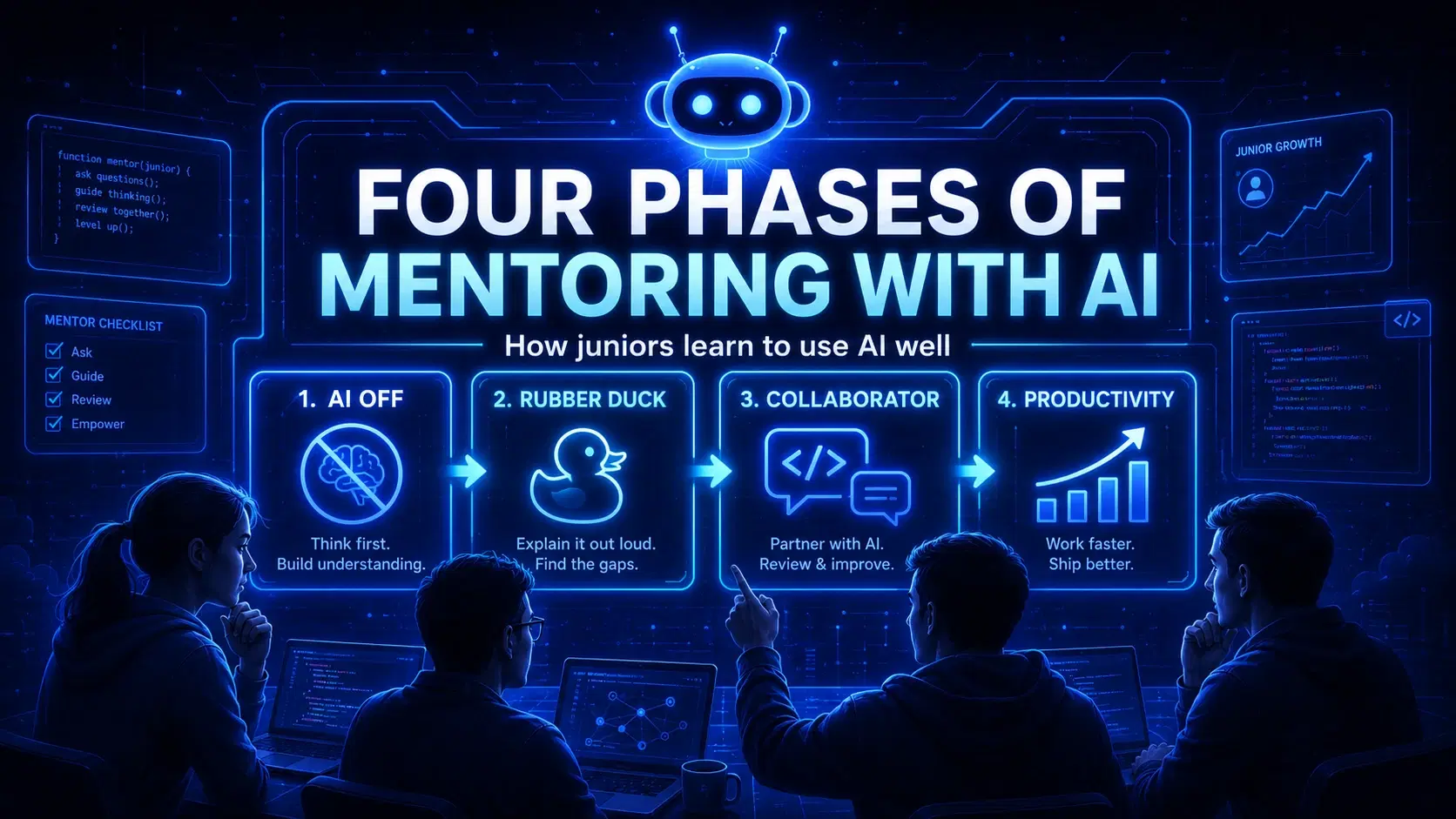
The Four Phases of Mentoring Juniors With AI
If AI can't replace what juniors used to learn from, what do we actually do? A four-phase framework for onboarding juniors when AI is in the stack — no skipping, no shortcuts. Part 3 of a series on mentoring juniors in the AI era.
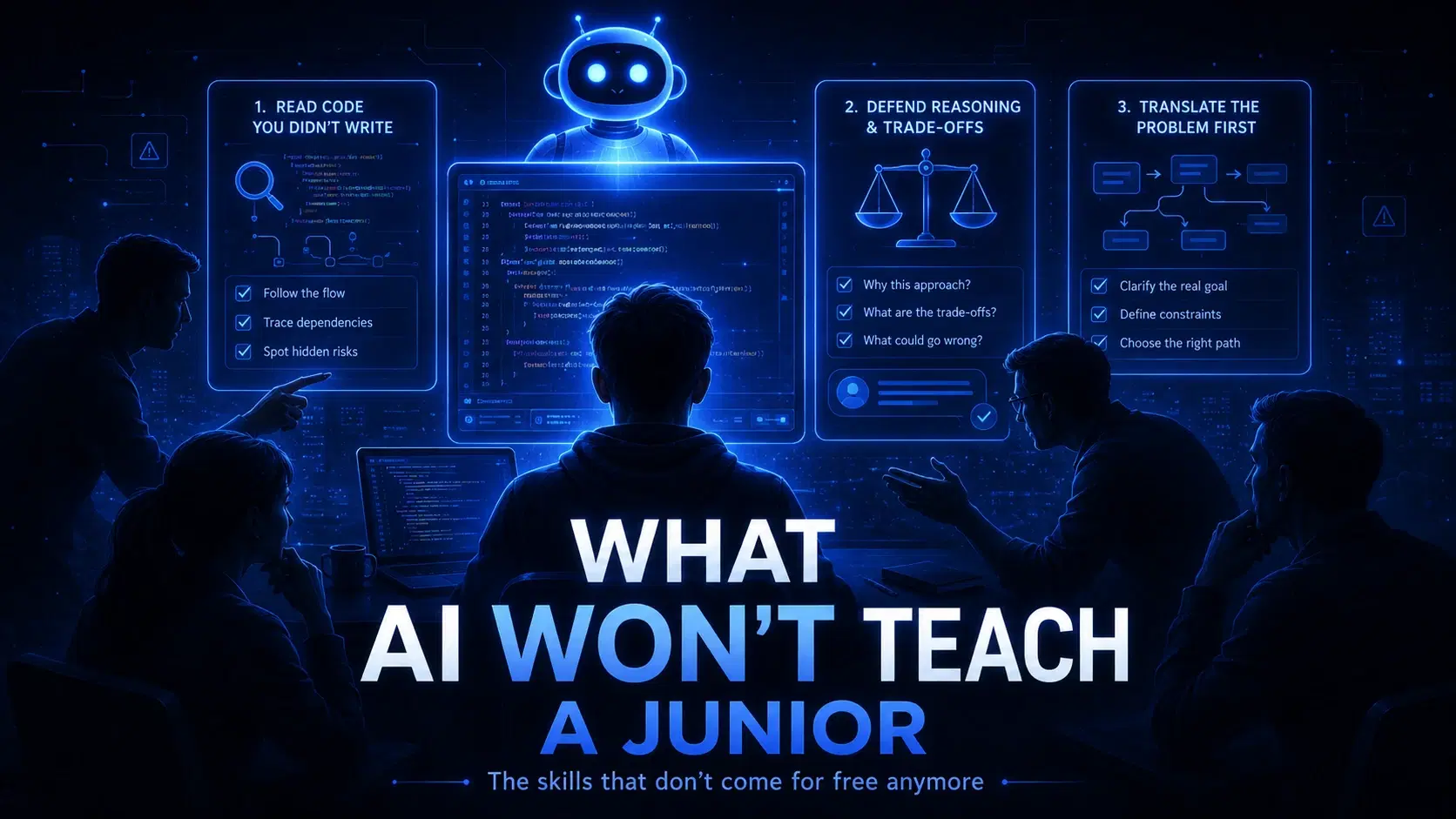
What AI Won't Teach a Junior
AI will teach a junior almost everything mechanical. But there are skills you used to get for free, just by writing the boilerplate. That free ride is over. Part 2 of a series on mentoring juniors when execution is cheap and decisions are everything.
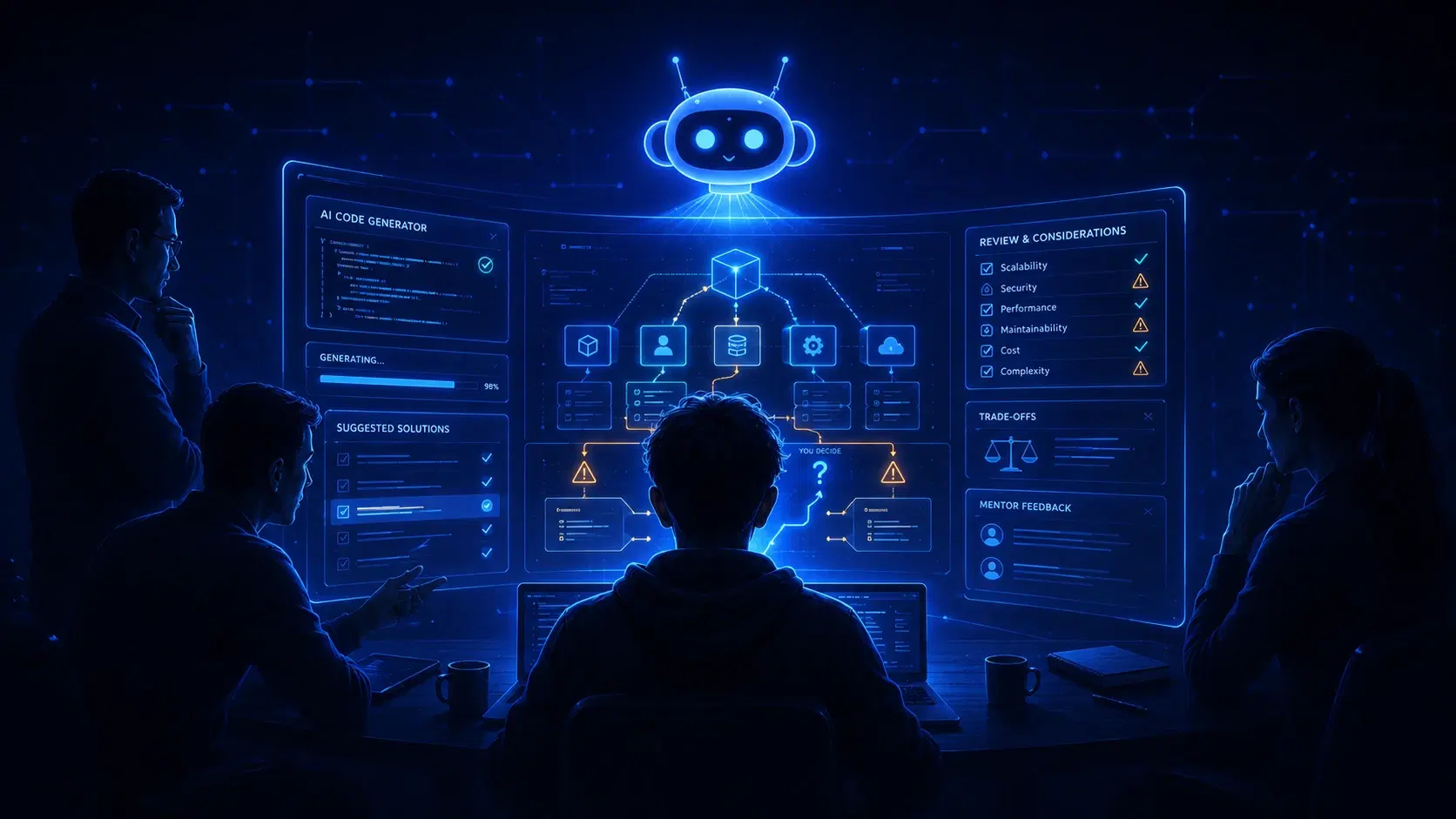
The Junior Paradox in the AI Era
AI eliminated the tasks juniors used to learn on. The role didn't go away — but the runway did. Part 1 of a series on mentoring juniors when execution is cheap and decisions are everything.
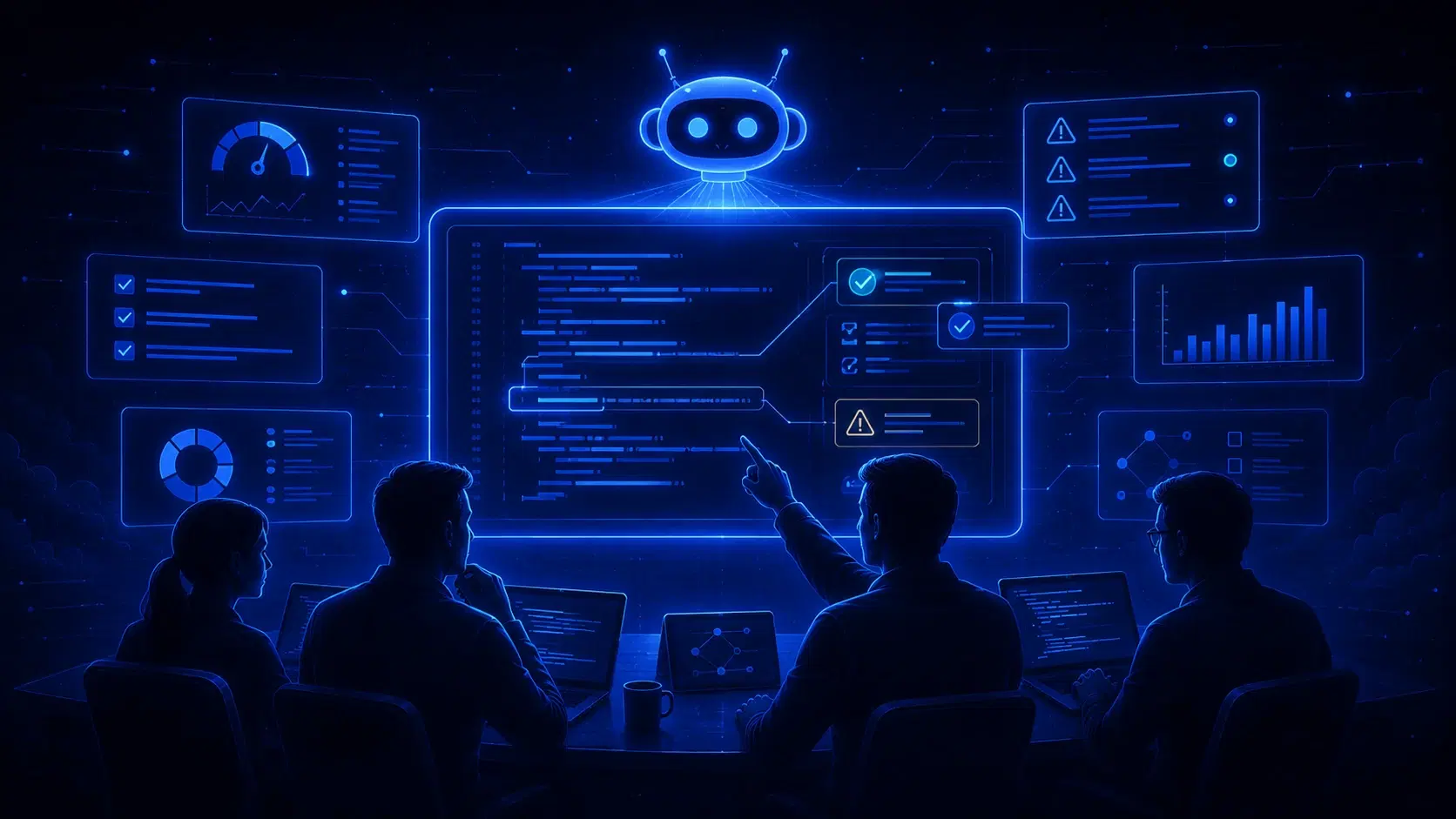
What I actually look for in frontend code review
Speed without reading creates technical debt. Here is exactly what I check when reviewing frontend code at data scale — and what AI keeps getting wrong.
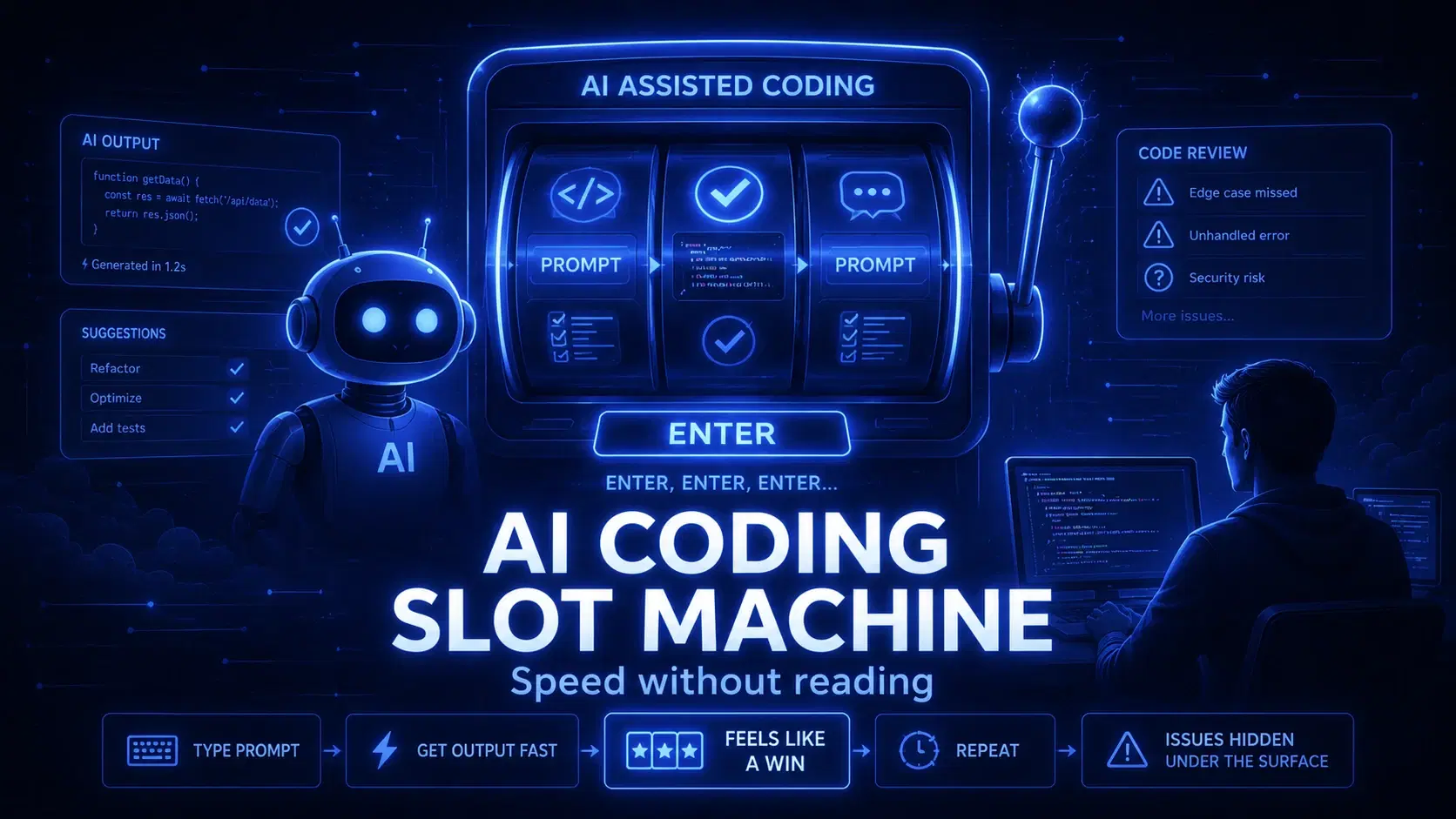
AI-assisted coding has a slot machine problem
AI can make developers faster. But speed without reading is just a faster way to create technical debt.
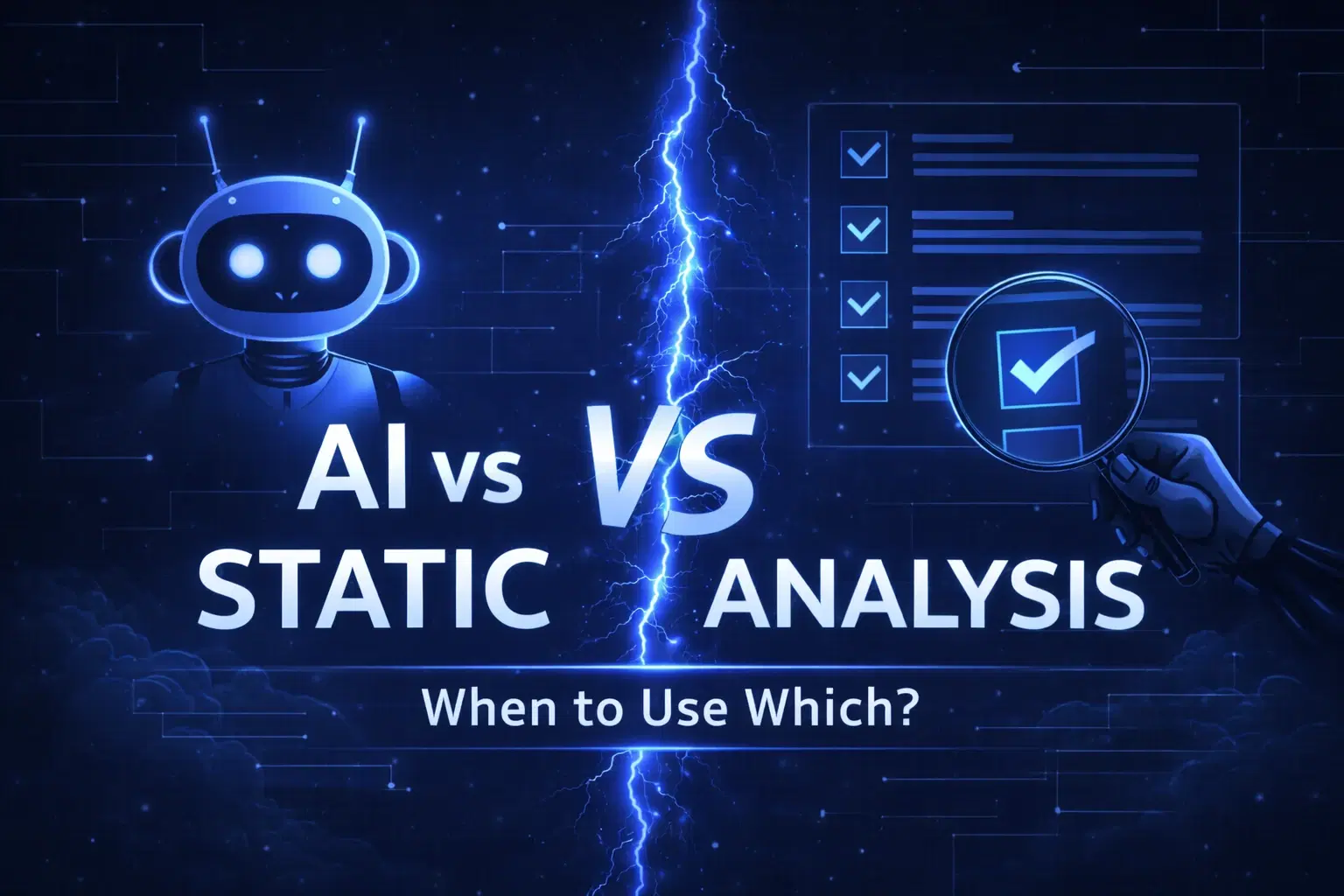
AI vs static analysis — when to use which (and why I use both)
A comment under my last post made me rethink where AI ends and static analysis begins. Here is how I draw the line — based on a system I run in production.

How I scale my AI code review system — and why every agent thinks like me
Adding a new agent to my system takes 2 days. Not because of the architecture — but because teaching it to think like me is the hard part.
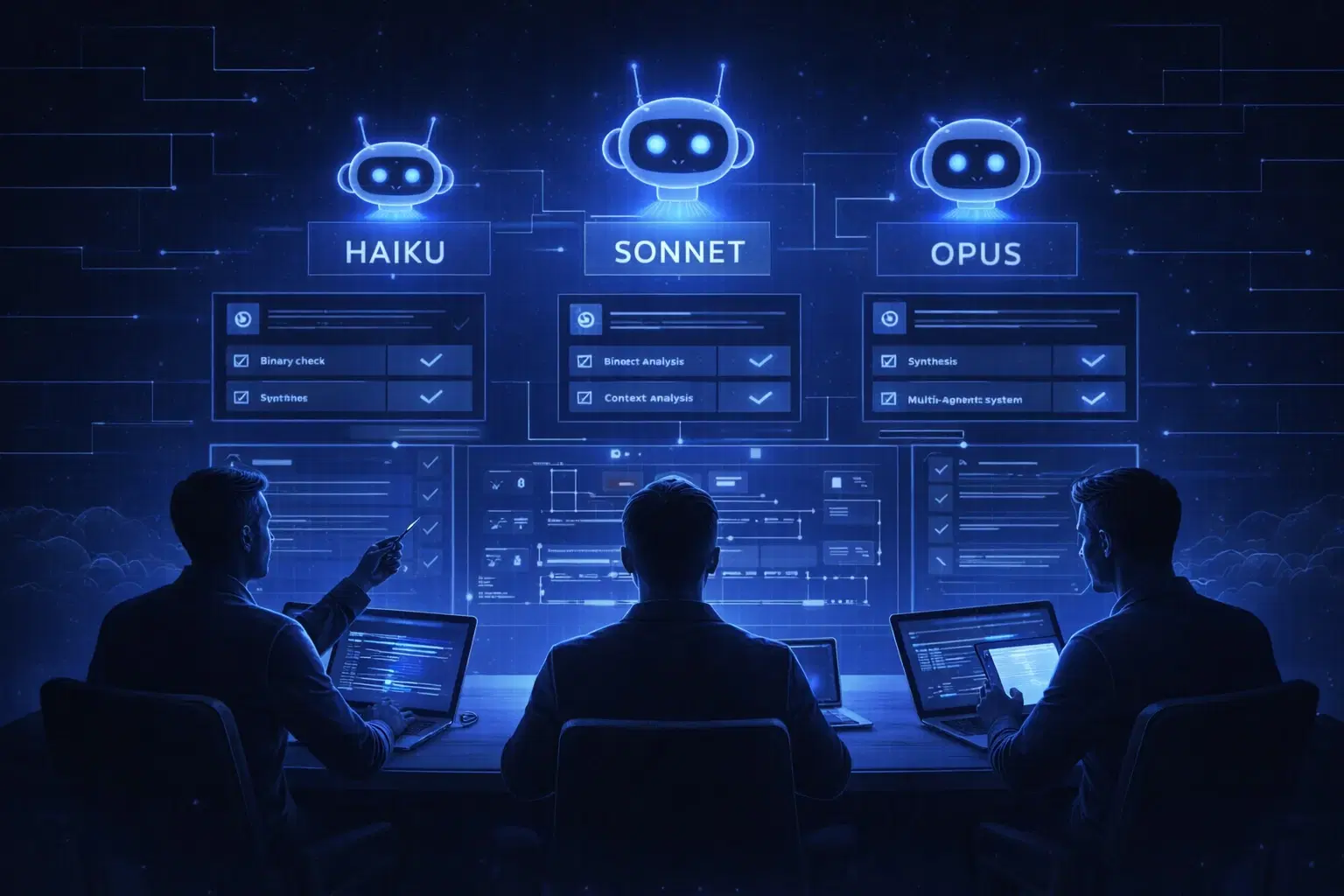
Why I don't use one Opus for everything — model tiering in a multi-agent system
Running the most powerful model on every task is wasteful and slow. Here is how I split work across Haiku, Sonnet, and Opus — and why it matters at scale.

How I built an AI code review system with 9 agents — using only Markdown
No Python, no Node.js, no custom plugins. Just ~2,900 lines of prompt engineering and a fan-out/fan-in architecture that actually catches real bugs.