Tag: claude-code
Posts with tag claude-code
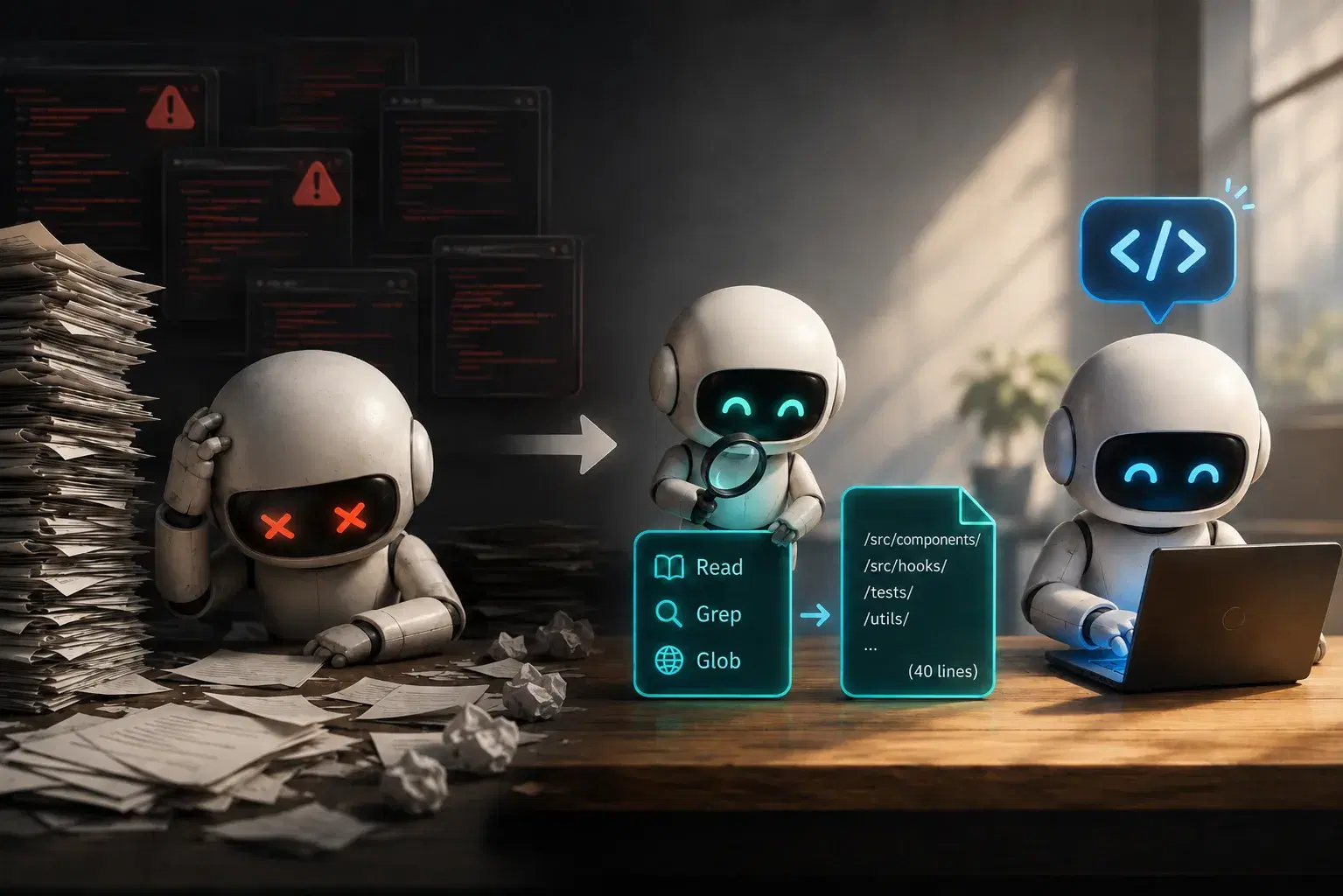
I Was Wrong About Haiku
I ran one model for everything and blamed the plan when usage climbed. The fix was splitting the work, and the saving turned out to have nothing to do with token price.
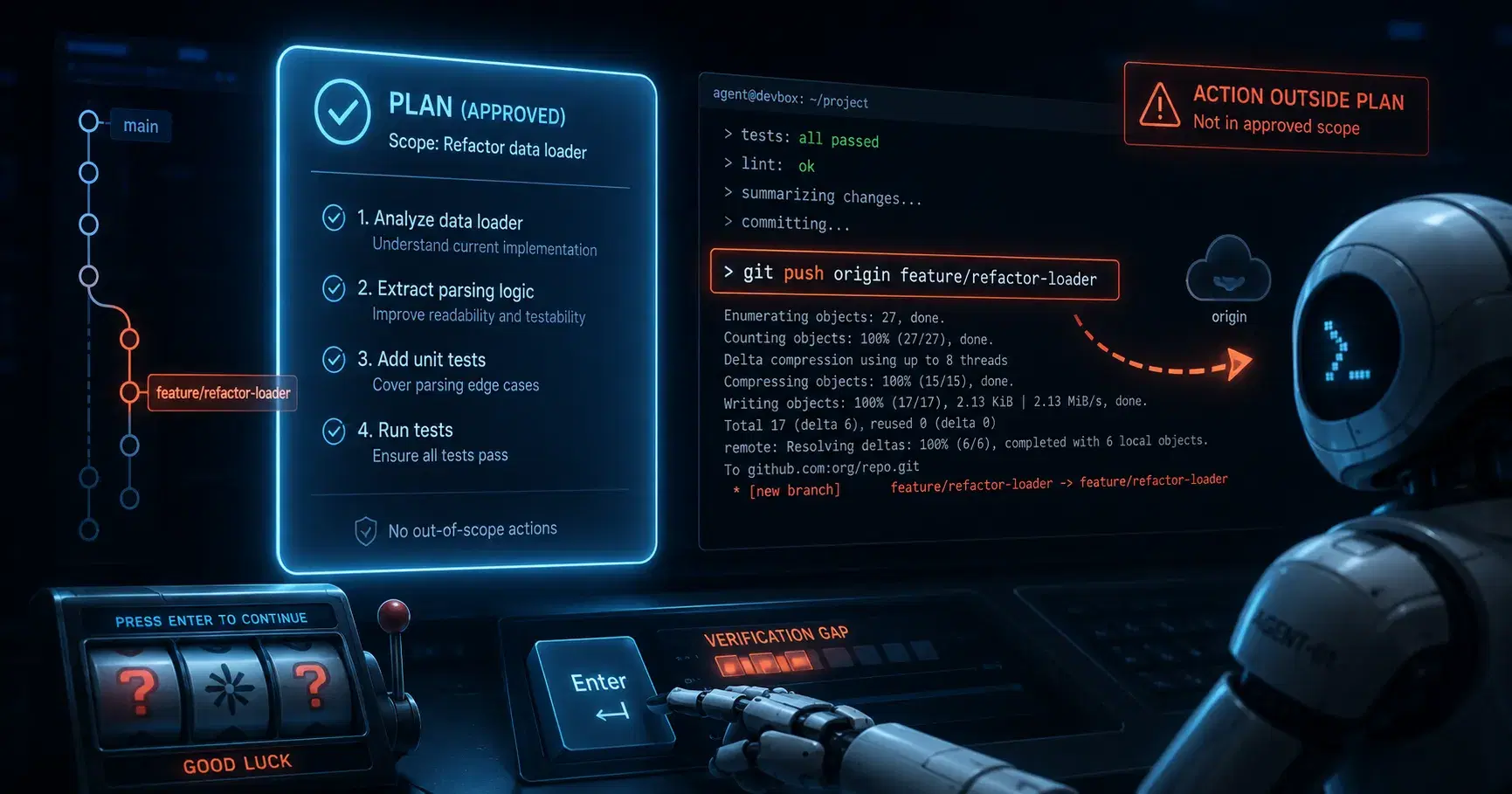
The Plan Didn't Say Push

Instructions Aren't Contracts
The rules are written down. The agent reads them on every prompt. They still do not make it into the code, and nothing is broken enough for the bot to report. A rules file is not configuration. It is a suggestion with an unknown success rate.
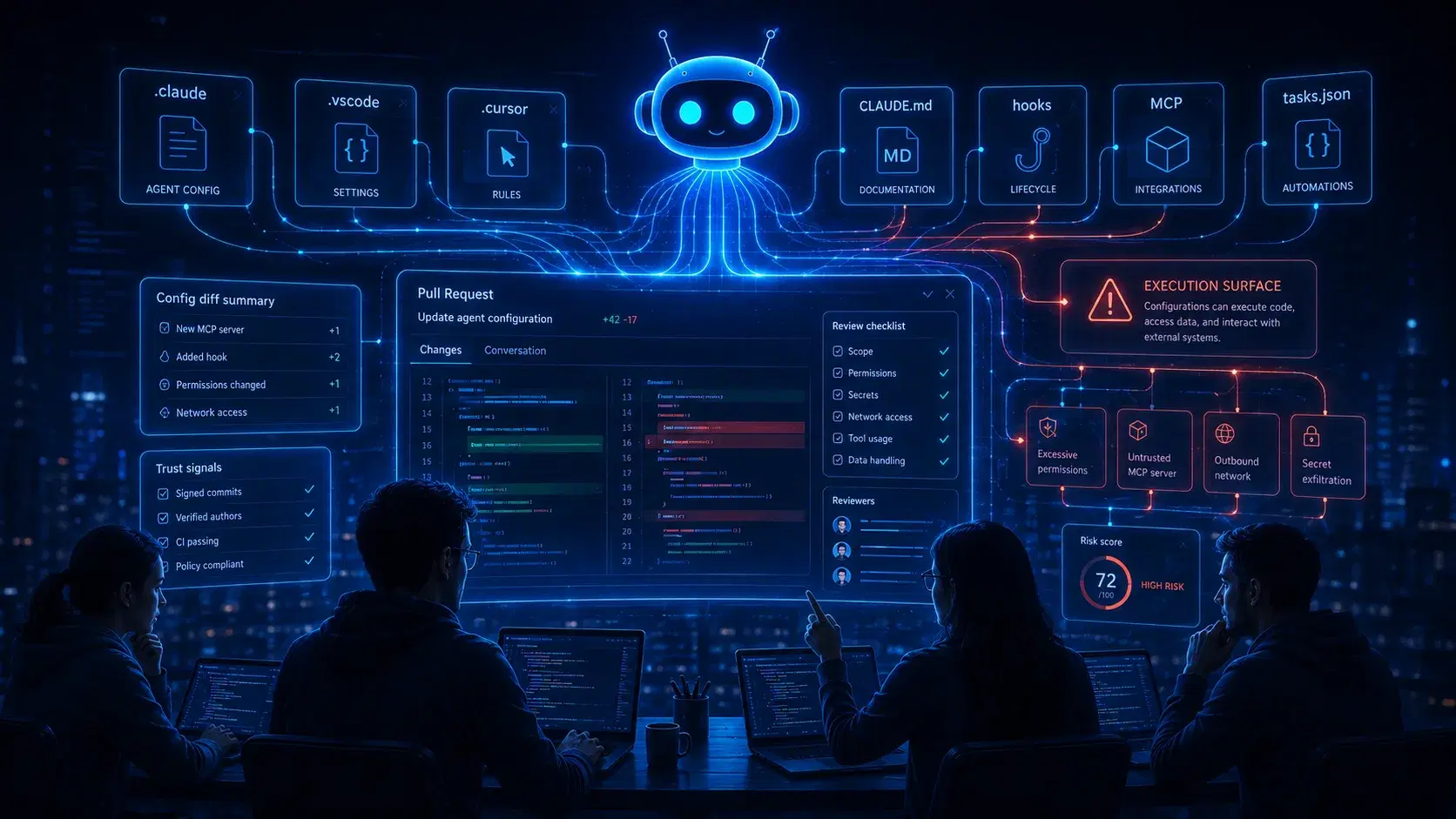
Agent Config Isn't Configuration. It's an Execution Surface
I audit dependencies. Lockfiles, advisories, the whole ritual. Then the keyv worm shipped its payload as committed agent config, and I realised I have no equivalent reflex for the files that configure the thing writing my code.
Claude Fable 5 Dropped. My Pipeline Isn't Getting It (Yet)
Claude Fable 5 launched this week — record benchmarks, twice the price of Opus. My production pipeline's config hasn't changed, and that's not neglect. Benchmarks measure raw models. Pipelines run calibrated ones.
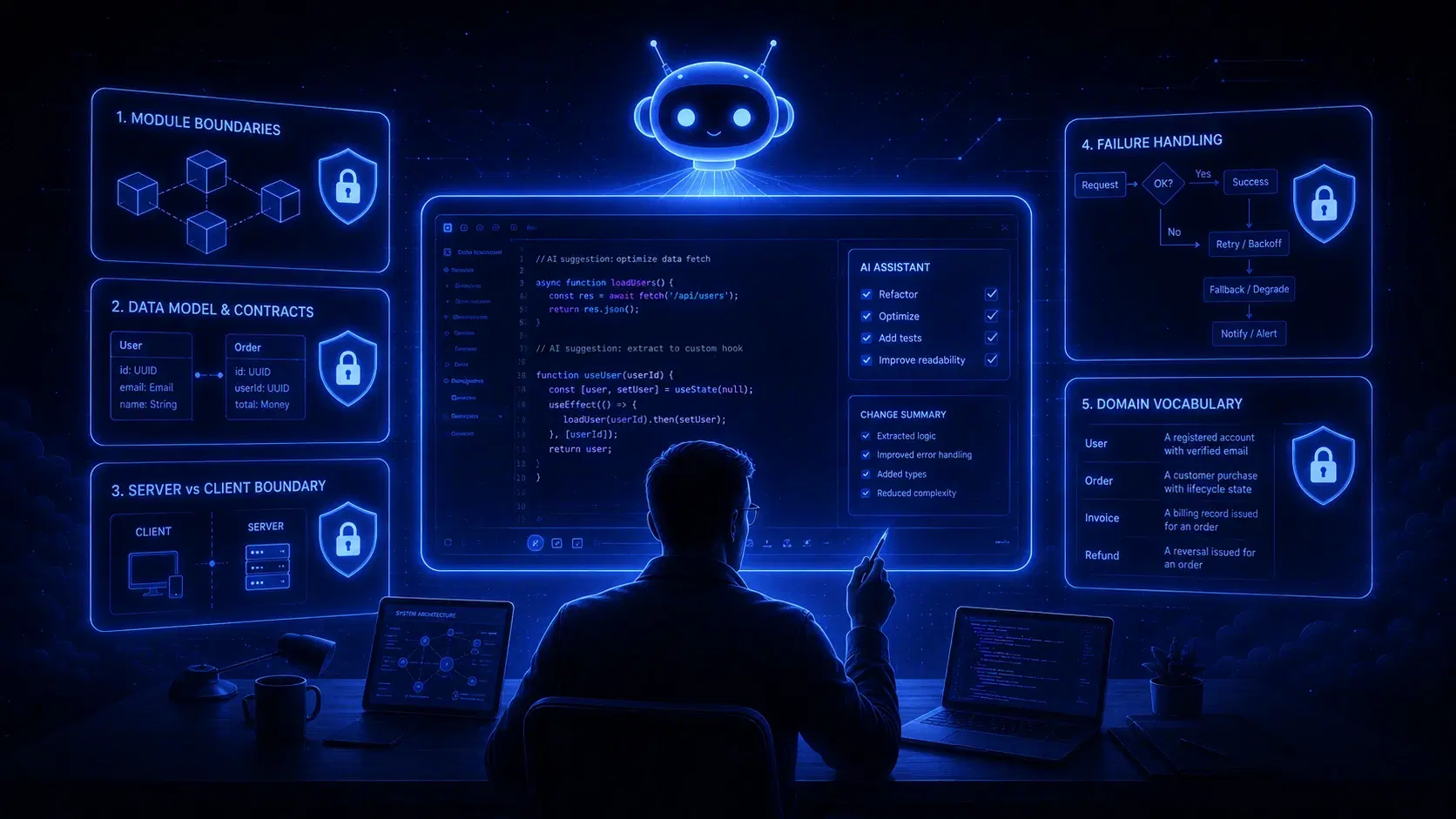
What I Won't Let AI Touch
I run a nine-agent code review system in production. I still won't hand AI five decisions — not despite knowing these tools, but because I do. The ones you can't cheaply reverse stay mine: the decisions that compound.
AI vs static analysis — when to use which (and why I use both)
A comment under my last post made me rethink where AI ends and static analysis begins. Here is how I draw the line — based on a system I run in production.

How I scale my AI code review system — and why every agent thinks like me
Adding a new agent to my system takes 2 days. Not because of the architecture — but because teaching it to think like me is the hard part.

Why I don't use one Opus for everything — model tiering in a multi-agent system
Running the most powerful model on every task is wasteful and slow. Here is how I split work across Haiku, Sonnet, and Opus — and why it matters at scale.

How I built an AI code review system with 9 agents — using only Markdown
No Python, no Node.js, no custom plugins. Just ~2,900 lines of prompt engineering and a fan-out/fan-in architecture that actually catches real bugs.